Showing posts with label cdc. Show all posts

Monday, May 6, 2019

The FDA Food Safety Modernization Act (FSMA) A New Step In The Nations' Food Safety.

Food Borne diseases according to CDC, Centers for Disease Control and Prevention, is major problem to people's health. About 48 million people in the U.S. (1 in 6) get sick, 128,000 are hospitalized, and 3,000 die each year.
The FDA Food Safety Modernization Act (FSMA) plans to transform the nation’s food safety system by shifting the focus from responding to foodborne illness to preventing it.
Congress enacted FSMA in response to dramatic changes in the global food system and in our understanding of foodborne illness and its consequences, including the realization that preventable foodborne illness is both a significant public health problem and a threat to the economic well-being of the food system.

FDA so far has finalized seven major rules to implement FSMA, recognizing that ensuring the safety of the food supply is a shared responsibility among many different points in the global supply chain for both human and animal food. The FSMA rules are designed to make clear specific actions that must be taken at each of these points to prevent contamination.

Continue to read more at FDA

Sunday, January 27, 2019

Pet Hedgehogs Are Causing A Multi-State Outbreak of Salmonella Infections

Photo of a hedgehog.

CDC and public health officials in several states are investigating a multi-state outbreak of Salmonella infections linked to contact with pet hedgehogs.

  • Eleven people infected with the outbreak strain of Salmonella Typhimurium have been reported from eight states.
    • One person has been hospitalized and no deaths have been reported.
  • Epidemiologic and laboratory evidence indicate that contact with pet hedgehogs is the likely source of this outbreak.
    • In interviews, 10 (91%) of 11 ill people reported contact with a hedgehog.
    • A common supplier of hedgehogs in this outbreak has not been identified.
  • The outbreak strain making people sick was identified in samples collected from three hedgehogs in two ill patients’ homes in Minnesota.

Advice to Pet Owners and Retailers


  • People who own or come in contact with hedgehogs should take steps to stay healthy around their pet.
    • Hedgehogs can carry Salmonella germs in their droppings while appearing healthy and clean.
    • These germs can easily spread to their bodies, habitats, toys, bedding, and anything in the area where they live. People become sick after they touch hedgehogs or anything in their habitats.
  • Wash your hands
    • Always wash hands thoroughly with soap and water right after touching, feeding, or caring for a hedgehog or cleaning its habitat. Adults should supervise handwashing for young children.
  • Play safely
    • Don’t kiss or snuggle hedgehogs, because this can spread Salmonella germs to your face and mouth and make you sick.
    • Don’t let hedgehogs roam freely in areas where food is prepared or stored, such as kitchens.
  • Clean habitats, toys, and supplies outside the house when possible. Avoid cleaning these items in the kitchen or any other location where food is prepared, served, or stored.
  • Pick the right pet for your family. Children under 5 years old, adults over 65, or people with weakened immune systems are at a greater risk for serious illness. Households with these individuals might consider a different pet.
  • Hedgehog breeders, pet stores, or others that sell or display hedgehogs should provide educational materials to employees and customers.

Symptoms of Salmonella Infection


  • Most people infected with Salmonella develop diarrhea, fever, and stomach cramps 12 to 72 hours after being exposed to the bacteria.
  • The illness usually lasts 4 to 7 days, and most people recover without treatment.
  • In some people, the diarrhea may be so severe that the patient needs to be hospitalized. Salmonella infection may spread from the intestines to the bloodstream and then to other places in the body.
  • In rare cases, Salmonella infection can cause death unless the person is treated promptly with antibiotics.
  • Children younger than 5 years, adults older than 65 years, and people with weakened immune systems are more likely to have severe illness.
  • For more information, see the CDC Salmonella website.


Wednesday, January 16, 2019

Final Update on the Outbreak of Salmonella Agbeni Infections Due To Duncan Hines cake mix By CDC

Good afternoon,
The final CDC update on a multistate outbreak of Salmonella Agbeni infections has been posted at https://www.cdc.gov/salmonella/agbeni-11-18/index.html.

Updates:

  • This outbreak appears to be over, but we continue to remind people to check for recalledExternal cake mixes and throw them away.
  • The outbreak strain of Salmonella was found in Duncan Hines cake mix. However, the outbreak investigation did not produce other information needed to determine whether the cake mix was linked to the Salmonella illnesses.
  • This outbreak included seven ill people from five states: Florida, Maryland, Missouri, Ohio, and Wisconsin. None of the ill people were hospitalized, and none died.
  • Illnesses started on dates ranging from June 13 to October 5, 2018.

Advice to Consumers

  • In general, CDC advises against eating any raw dough or batter, whether homemade or from a mix. Raw batter can contain germs that could make you sick.
  • Do not bake with or eat recalled Duncan Hines cake mix, or eat cake prepared with recalled mix. Throw the mix away or return it to the store for a refund.
    • Recalled products include 15.25 oz. boxes of Duncan Hines cake mix in Classic White, Classic Yellow Cake, Classic Butter Golden Cake, and Confetti Cake flavors, with various “best if used by” dates ranging from March 7 to 13, 2019.
    • Check the FDA website for information to identify recalled mixesExternal: a list of “best if used by” dates for each flavor of recalled mix, and product photos.
  • Contact a healthcare provider if you think you got sick from eating recalled cake mix.
Most people infected with Salmonella develop diarrhea, fever, and stomach cramps 12-72 hours after eating contaminated food. The illness usually lasts 4 to 7 days, and most people recover without treatment.
If you have questions about cases in a particular state, please call that state’s health department.
Thank you,
CDC News Media Branch
404-639-3286
media@cdc.gov

Saturday, December 29, 2018

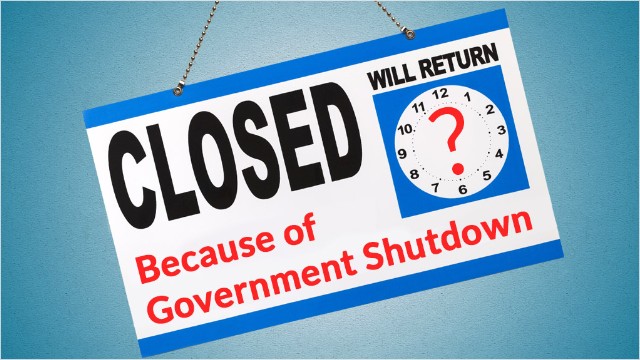
Government Shutdown, Furlough Affects Reacalls, Not A Single Drug, Food, Vehicular Or Toy Recall Since 21st December 2018

Image result for furlough
Most federal services are closed due to government shutdown. I have only noticed one recall on FDA site them. Other entities like, USDA, CDC, HHS, CPSC, NHTSA and EPA have not released any recall since.
We will keep on looking.
As I recall most recalls happens during the holiday season due to various reasons. Wish you all a safe holidays.
Every department has a similar message as shown below;

FDA Lapse in Funding 

In the absence of either an FY 2019 appropriation or a Continuing Resolution for FDA, beginning on December 22, 2018 and continuing until the date of enactment of an FY 2019 appropriation or Continuing Resolution ("lapse period"), agency operations continue to the extent permitted by law, such as activities necessary to address imminent threats to the safety of human life and activities funded by carryover user fee funds.


Due to a lapse in appropriations, EPA websites will not be regularly updated. In the event of an environmental emergency imminently threatening the safety of human life or where necessary to protect certain property, the EPA website will be updated with appropriate information. Please note that all information on the EPA website may not be up to date, and transactions and inquiries submitted to the EPA website may not be processed or responded to until appropriations are enacted.

Furlough 


Saturday, December 15, 2018

Update On The Outbreak of E. coli O157:H7 Infections Linked to Romaine Lettuce.

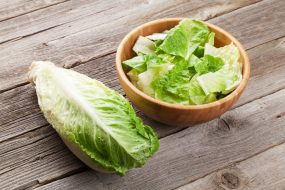
Photo of romaine lettuce in a wood bowl. 
CDC is updating its warning to consumers. It advises that U.S. consumers not eat and retailers and restaurants not serve or sell any romaine lettuce harvested from certain counties in the Central Coastal growing regions of northern and central California. If you do not know where the romaine is from, do not eat it.
  • Some romaine lettuce products are now labeled with a harvest location by region. Consumers, restaurants, and retailers should check bags or boxes of romaine lettuce for a label indicating where the lettuce was harvested.
    • Do not buy, serve, sell, or eat romaine lettuce from the following California counties: Monterey, San Benito, and Santa Barbara.
    • If the romaine lettuce is not labeled with a harvest growing region and county, do not buy, serve, sell, or eat it.
  • Romaine lettuce labeled with a harvest region outside of the three identified counties of the Central Coastal growing regions of northern and central California is not linked to the outbreak. Areas not linked to this outbreak include the desert growing region near Yuma, Arizona; the California desert growing region near Imperial County and Riverside County; the state of Florida; and Mexico.
    • If you cannot identify where the romaine lettuce is from, do not buy, serve, eat, or sell it.
  • If you purchased romaine lettuce and do not know where it was harvested, do not eat, serve, or sell it. Throw it away.
    • This advice includes all types or uses of romaine lettuce, such as whole heads of romaine, hearts of romaine, and bags and boxes of precut lettuce and salad mixes that contain romaine, including baby romaine, spring mix, and Caesar salad.
    • Wash and sanitize drawers or shelves in refrigerators where romaine was stored. Follow these five steps to clean your refrigerator.
    • If you do not know if the lettuce is romaine or whether a salad mix contains romaine, do not eat it and throw it away.
  • Hydroponic or greenhouse-grown romaine lettuce has not been linked to this outbreak.
  • Take action if you have symptoms of an E. coli infection:
    • Talk to your healthcare provider.
    • Write down what you ate in the week before you started to get sick.
    • Report your illness to the health department.
    • Assist public health investigators by answering questions about your illness.

Advice to Clinicians

  • Antibiotics are not recommended for patients with E. coli O157 infections. Antibiotics are also not recommended for patients in whom E.coli O157 infection is suspected, until diagnostic testing rules out this infection.
  • Some studies have shown that administering antibiotics to patients with E. coli O157 infections might increase their risk of developing hemolytic uremic syndrome (a type of kidney failure), and the benefit of antibiotic treatment has not been clearly demonstrated.

Sunday, August 2, 2009

Victoria Inn, Perfect Servings, and Herico Brand Food Products Recalled By United Food Group.


United Food Group, Inc. Recalling Product Because Of Possible Health Risk

Contact:
Barbara Boyer
(847) 622-1803

FOR IMMEDIATE RELEASE -- July 30, 2009 -- United Food Group, Inc announced a voluntary recall of products that contain instant nonfat dry milk manufactured by Plainview Milk Products Cooperative. This recall is a precautionary measure due to the voluntary recall of instant nonfat dry milk announced by Plainview Milk Products Cooperative on June 29, 2009.

Salmonella is an organism which can cause serious and sometimes fatal infections in young children, frail or elderly people, and others with weakened immune systems. Healthy persons infected with Salmonella often experience fever, diarrhea (which may be bloody), nausea, vomiting and abdominal pain. In rare circumstances, infection with Salmonella can result in the organism getting into the bloodstream and producing more severe illnesses such as arterial infections (i.e., infected aneurysms), endocarditis and arthritis.

Due to the products potential to be contaminated with Salmonella, the following are being recalled:

Victorian Inn®

Cream of Mushroom Soup

.66 lb Can

Victorian Inn®

Baked Potato w/ Bacon Soup

.66 lb Can

Victorian Inn®

Cream of Chicken Soup

.66 lb Can

Victorian Inn®

Cream of Broccoli Soup

.55 lb Can

Victorian Inn®

Cream of Chicken Soup

21g Single Serve Packet

Victorian Inn®

Cream of Broccoli

21g Single Serve Packet

Victorian Inn®

Baked Potato w/ Bacon Soup

21g Single Serve Packet

Perfect Servings™

French Vanilla Cappuccino

1.5 lb. Bags

Perfect Servings™

Cream of Mushroom

1.5 lb. Bags

Perfect Servings™

Potato w/ Bacon

1.5 lb. Bags

Perfect Servings™

Cream of Chicken

1.5 lb. Bags

Perfect Servings™

Cream of Broccoli

1.5 lb. Bags

Victorian Inn®

Cappuccino Topping

1.1 lb. bags

Victorian Inn®

Cappuccino Frothing Milk

1.5 lb. Bags

Herico™

Horchata, Can

1.25 lb. Can

Herico™

Horchata, Bag

1.25 lb. Bags

Herico™

Horchata, Bucket

25lb. Bucket

Perfect Servings™

Double Dutch Hot Chocolate w/ Marshmallows

1.5 lb. Bags

No other products other than these listed above are involved in the recall and only if distributed between 6/4/2007 and 6/4/2009. These products were distributed nationwide.

Consumers who have purchased these products are urged to return them to the place of purchase. Consumers with questions may contact the company at 1-847-622-1803.

United Food Group, Inc. has not received any reports of illness in connection with the items listed above to date, and no other United Food Group, Inc. products are affected by this action. For more information on Salmonella, please visit the Centers for Disease Control and Prevention’s Website at http://www.cdc.gov.

GA

Make sure you know about all recalls & keep your family safe, Subscribe Free via email

Enter your email address Or Click on FeedBurner Icon (Right) to subscribe via Your News Reader. Your Email is never shared:

Delivered by FeedBurner